Tuning and personalization
Tuning and personalization are two of the most popular ways drivers make a car truly their own. Whether the goal is more power, sharper handling, better sound or simply a look that stands out in the parking lot, the world of aftermarket modification offers something for every budget and skill level. But it is also a world full of jargon, marketing claims and legal gray areas, which can make first steps feel intimidating.
This pillar page lays the foundations. It explains what tuning and personalization actually mean, how they differ, which modifications deliver real value, what the law and your insurance expect from you, and how to build a sensible plan for your own vehicle. Use it as your starting point, then dive deeper into the specific topics that match your project.
What Is Car Tuning?
Car tuning refers to modifying a vehicle to change how it performs. That can mean more horsepower, better throttle response, improved cornering, shorter braking distances or a more engaging sound. Tuning usually touches mechanical or electronic systems: the engine, the transmission, the suspension, the brakes or the aerodynamics.
A useful analogy is to think of your car as an instrument. The factory builds it to play well for the widest possible audience, in every climate, on every fuel grade, for every driver. Tuning is the process of retuning that instrument for a specific player and a specific stage.
The Main Types of Tuning
- Engine tuning: remapping the ECU, upgrading the intake, exhaust, intercooler, turbo or fueling components to increase power and torque.
- Suspension tuning: lowering springs, coilovers, sway bars and bushings to change ride height, body control and handling balance.
- Brake upgrades: better pads, stainless lines, larger rotors or big-brake kits for shorter, more consistent stops.
- Drivetrain tuning: shorter final drives, limited-slip differentials or transmission calibration for better acceleration and traction.
- Aero and weight reduction: spoilers, splitters, lightweight wheels and interior stripping for track-focused builds.
What Is Personalization?
Personalization, sometimes called styling or customization, focuses on appearance, comfort and character rather than performance. It is about identity: making the car reflect the owner’s taste.
Common personalization projects include:
- Vinyl wraps, paint correction and custom resprays.
- Aftermarket wheels and tire lettering.
- Tinted windows, ambient lighting and custom upholstery.
- Decals, liveries and subtle model-specific details.
- Audio systems and interior tech upgrades.
The line between the two categories is not always sharp. A set of lightweight wheels can shave weight and transform the look. An aftermarket exhaust adds sound, power and visual appeal. Most real-world builds blend both, but it helps to know which goal is driving each purchase.
Where Should a Beginner Start?
Enthusiasts often rush straight to power modifications, but experienced builders usually recommend a different order. The car has to stop, grip and respond before it needs to go faster. A sensible progression looks like this:
- Maintenance first: fresh fluids, good tires, healthy brakes and a solid suspension baseline. Tuning a worn car amplifies its weaknesses.
- Tires: the single most effective upgrade for grip and safety, and the foundation for everything else.
- Brakes and suspension: better pads, quality dampers and springs make the car more capable and more enjoyable on any road.
- Wheels: a lighter, well-sized wheel and tire package improves both looks and handling.
- Engine tuning: once the chassis can handle it, remapping or bolt-on upgrades become far more rewarding.
Consider a fictional example: Alex buys a used hot hatch and wants it to feel faster. Instead of an aggressive remap on worn shocks, Alex fits quality all-season tires, braided brake lines and better pads, then lowers the car modestly on matched springs and dampers. The result feels dramatically sharper, costs less than a turbo upgrade, and preserves reliability. Power can come later, on a solid foundation.
Engine Remapping and Bolt-On Upgrades Explained
Modern engines are controlled by the ECU (Engine Control Unit), a computer that manages fuel, boost pressure, ignition timing and more. Manufacturers calibrate it conservatively to satisfy emissions rules, varied fuel quality and extreme climates worldwide. A remap, or stage 1 tune, adjusts these maps to unlock power the hardware was already capable of producing. On many turbocharged cars, a quality tune can add meaningful torque with no physical changes at all.
Beyond stage 1, hardware upgrades come into play:
- Stage 1: software only, often the best value-per-dollar modification available.
- Stage 2: software plus freer-flowing intake and exhaust, upgraded intercooler, suited for the revised airflow.
- Stage 3: larger turbo or forced induction changes, fuel system upgrades, built internals, often requiring supporting modifications and expert calibration.
Two cautions matter here. First, more boost and timing mean more thermal and mechanical stress, so cooling and fuel quality become critical. Second, a tune is only as good as its calibration; a reputable tuner with experience on your specific platform is worth far more than the cheapest file on the market.
Legal and Insurance Considerations
Rules vary across states, provinces and countries, but several principles are nearly universal. Before modifying, always verify:
- Emissions compliance: removing catalytic converters, EGR systems or DPFs is illegal for road use in most jurisdictions and will fail inspection.
- Noise limits: exhaust modifications must meet local sound regulations, which are enforced more strictly than ever.
- Lighting and tint rules: window tint percentages, headlight modifications and underglow are commonly regulated.
- Suspension and ride height: some regions enforce minimum height and fender-coverage rules.
- Disclosure requirements: many insurers require you to declare modifications, even wheels and exhausts. Undeclared mods can void a claim precisely when you need coverage most.
A quick call to your insurance provider before ordering parts takes ten minutes and can save you thousands. Keep receipts and documentation of every modification; they help with disclosure, resale and warranty questions.
Warranty, Reliability and Resale Value
Modifications can affect your factory warranty, though the exact impact depends on the part and the failure. A dealer generally must prove that an aftermarket part caused the failure before denying a related claim, but documented tunes and performance parts can complicate the conversation. Keep stock parts so you can revert, and choose reputable brands with proven track records.
Reliability follows a simple rule: every modification moves the car away from its tested engineering envelope. Quality parts installed correctly, with supporting upgrades where needed, keep you close to that envelope. Budget parts on a highly stressed engine push you beyond it.
Resale value cuts both ways. A tasteful, documented build from respected brands can attract enthusiast buyers, while loud, undocumented or poorly executed modifications typically shrink your buyer pool. When in doubt, ask whether the next owner of this car would pay extra for what you are installing.
Budgeting Your Build
Money is where most projects go wrong. A realistic budget includes far more than the parts:
- Parts: research real, complete prices including hardware, gaskets and consumables.
- Installation: professional labor for alignment, tuning, fabrication and paint adds up quickly.
- Supporting modifications: the hidden line item; a big turbo needs fueling, cooling and clutch upgrades.
- Maintenance: tuned cars often need more frequent oil changes, spark plugs and inspections.
- Contingency: experienced builders reserve twenty to thirty percent for the unexpected.
A disciplined approach is to pick one clear goal, list everything required to achieve it properly, price the whole list, and only then start buying. Spreading purchases over months is fine; buying parts in the wrong order is not.
Choosing Parts and Installers Wisely
The aftermarket is enormous, and quality varies wildly. A few habits protect you:
- Favor established brands with documented testing, real support and available replacement parts.
- Read owner-community feedback for your specific model, not just generic reviews.
- Verify certifications and customer work when choosing a shop or tuner, and ask to see similar completed projects.
- Beware of exaggerated claims; if a cheap part promises gains that rival professional kits, be skeptical.
- Prefer parts that are reversible or easily returned to stock if your plans or regulations change.
Where to Go From Here
Tuning and personalization reward patience. Start with maintenance and tires, be honest about your goals and budget, respect the legal framework, and treat every modification as part of a coherent plan rather than an isolated purchase. The categories on this site break each topic down in detail, from ECU remapping and suspension setup to wheels, wraps and audio, so you can move from inspiration to a road-ready, personalized car with confidence. The best builds are not the fastest or the loudest; they are the ones whose owners would make the same choices again.

Customized car parts help drivers achieve a unique, personal style
Car enthusiasts have long sought ways to make their vehicles stand out from the crowd. Customized car parts offer a perfect solution, allowing drivers to express their individuality and enhance their vehicle’s performance. From subtle tweaks to dramatic overhauls, the…
Lire la suiteTransform your car’s look and grip with stylish new wheels
Upgrading your vehicle’s wheels is one of the most impactful ways to enhance both its appearance and performance. Whether you’re looking to improve handling, reduce weight, or simply turn heads on the street, selecting the right set of wheels can…
Lire la suite
Tinted windows provide privacy and reduce interior heat
Window tinting has become an increasingly popular choice for both automotive and architectural applications. This advanced technology offers a range of benefits, from enhanced privacy to significant heat reduction. As the demand for energy-efficient solutions grows, tinted windows have emerged…
Lire la suite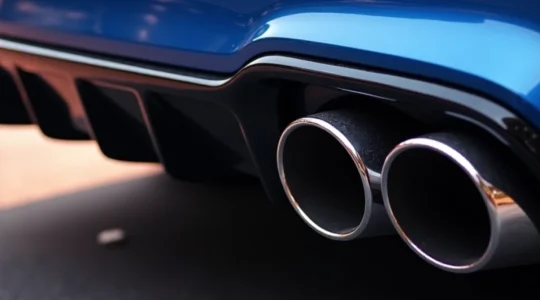
How does a sports exhaust system improve your car’s performance?
Sports exhaust systems have become increasingly popular among car enthusiasts and performance-minded drivers. These aftermarket upgrades promise to enhance a vehicle’s power, sound, and overall driving experience. But how exactly do they work their magic? Let’s dive deep into the…
Lire la suite